To attend, click the “Register” button at the time of the presentation. It will take you directly to the Zoom call.
Welcome and Introductions: 11:30 AM to 11:45 AM
Main Presentation: 11:45 AM to 2:30 PM
AI Data Center Boom: High Cost/Benefit, Locally & Environmentally
Tech companies are racing to expand data center capacity to win the competition for commercial dominance, most prominently through the AI path. This surge has been encouraged by the current business and political environment including new federal industrial policies, abundant capital, disregulation, and hype of AI.
Business tactics prioritizing immediate business interests over the public interest may include:
Bending/breaking some constraints, including legal ones
Building fast before anyone can react
Minimizing disclosure of critical data center features
Obfuscation of site ownership via complex LLCs, trusts, etc.
I will present brief summaries of findings from technical journals, newspapers, and magazines. Informative YouTube video segments will be included to elicit group discussion.
Speaker
Philip W. Apruzzese (BE Chem. E., MS Technology Mgmt., CHMM) graduated from Stevens Institute of Technology, Hoboken, NJ. He was employed in the pharmaceutical industry (Squibb, Beecham, Schering-Plough) for nearly 40 years, holding manufacturing operations, project, research pilot plant startup, and environmental compliance management positions. From 2010 to 2019 he was employed part-time as a Chem Eng/Environmental, health and safety consultant in addition to working seasonally as a Level C Official for USA Cycling racing events.
Since relocating to the Seattle area he has begun volunteer work with several non-profit community cycling/Recycling resources and advocacy organizations. Additionally he volunteers online with the Summit Old Guard, an organization for retired business and professional men.
In April, 2015, he spoke on Tour de France cycling performance enhancements – Post Lance/Post Drugs and in 2019 he presented on The Nobel Prize in Chemistry for the development of lithium ion batteries. In 2021 he presented on The Nobel Prize in Chemistry for the development of asymmetric organocatalysis. In April 2025 he spoke along with Stuart Kurtz on Becoming a Chemical Engineer: Two Stories.
Upcoming event will cover market impact, quantum’s evolution, industry influence, and more.
New York, NY (November 11, 2025) – As quantum computing has evolved from theory into practical applications, the business and private equity worlds are taking notice.
This will be the focus of a one-hour webinar, featuring experts from science and business, to take place beginning at 12 p.m. EDT on November 17. This expert panel will cut through the hype to explore where the technology stands, how it’s being applied in sectors like logistics and cybersecurity, and what to expect going forward. They will also examine how private equity and venture capital are investing in quantum and which industries are poised to benefit most.
Josh Lerner, Jacob H. Schiff Professor at Harvard Business School and Director of The Private Capital Research Institute (PCRI), will moderate the four-person panel. Panelists include:
Matthew Kinsella | CEO, Infleqtion
Reed Sturtevant | General Partner, The Engine Ventures
Bill McMahon, PhD | Co-Founder and Managing Partner, Minnow Venture Partners
Shahin Farshchi, PhD | Partner, Lux Capital
The roundtable will cover three pertinent matters within the realm of business and private equity:
Market impact: How the pace of development is influencing global markets and the role of private equity and venture capital in accelerating quantum breakthroughs.
Quantum’s evolution: Moving rapidly from theoretical physics to a transformative technology with real-world impact.
Industry influence: Reshaping sectors, driving innovation, and attracting major investment.
This session, sponsored by HMC Capital, is the second in a four-part series titled “Private Capital and Discovery: Strategic Investing in Scientific Innovation,” presented by The New York Academy of Sciences and PCRI. The series, sponsored by Ropes & Gray, is focused on fostering a broader understanding of the recent scientific and technological trends and their implications for private capital investors. These roundtables emphasize opportunities and challenges associated with marshaling the capital required to translate cutting-edge technologies into marketplace solutions.
Each roundtable will bring together a combination of scientific, investment, and business perspectives on a challenge associated with the commercialization of breakthrough science. These webinars are conducted and covered under Chatham House rule. Proceeding summaries will be made available to attendees after each event.
While the Academy excels in fostering scientific discovery and interdisciplinary collaboration, PCRI focuses on enhancing the understanding and impact of private capital investments. This collaboration allows for a unique intersection where cutting-edge scientific research meets strategic investment insights.
Both non-profit organizations seek to present substantive, fact-based research in a form that maximizes broad accessibility of these ideas and their applicability to the concerns of investors, business leaders, and policymakers, as well as influential intermediaries.
The final two events in the series will cover “The Roller Coaster of ClimateTech Investing” and “The Public Sector and ‘Tough Tech.’”
Based at Harvard Business School, the Private Capital Research Institute’s mission is to encourage research about private capital’s potential to be a constructive force to power economic development, innovation, and business transformation.
To attend, click the “Register” button at the time of the presentation. It will take you directly to the Zoom call.
Welcome and Introductions: 11:30 AM to 11:45 AM
Main Presentation: 11:45 AM to 2:30 PM
Lithium Processing: Challenges for Refining and Recycling
In the late twentieth century, lithium changed from a metal of limited economic importance to an essential component of the modern economy. The distribution of lithium resources on Earth and the technology for its recovery have implications for geopolitics, the economy, and the environment. Join us as we explore the connections between the properties of this unique metal, the challenges in its extraction and recycling, and its role in the modern world.
Speaker
Dr. Mark Kobrak received his BA degree in Chemistry and Integrated Science from Northwestern University, and his PhD in Chemistry from University of Chicago. He joined the faculty of Brooklyn College in 2001, serving as Chair from 2009-2011 and again from 2020-2023. His work centers on the physical chemistry of ionic liquids, a class of salts that are molten at room temperature. Recent efforts have included the development of novel metal extraction technologies. He has received multiple fellowships supporting research work at Brookhaven National Laboratory, and was a visiting researcher at University of Groningen in the Netherlands in 2017.
As a faculty member, Kobrak has pursued an eclectic collection of projects. Examples include establishing the department’s industrial internship program, co-authoring a science education article on the physics of solar sails, and serving as a scientific consultant on a film featuring Paracelsian alchemy. He has also revised the laboratory curricula of five different undergraduate courses and written a 480 page free textbook to help students transition from general to organic chemistry.
Quantum computing is moving from theory to real-world impact. In this one-hour webinar, experts from science and business will cut through the hype to explore where the technology stands, how it’s being applied in sectors like logistics and cybersecurity, and what to expect next. We will also examine how private equity and venture capital are investing in quantum—and which industries are poised to benefit most from its breakthroughs.
This roundtable discussion will explore:
Market impact: How the pace of development is influencing global markets and the role of private equity and venture capital in accelerating quantum breakthroughs.
Quantum’s evolution: Moving rapidly from theoretical physics to a transformative technology with real-world impact.
Industry influence: Reshaping sectors, driving innovation, and attracting major investment.
Series Moderator
Josh Lerner
The Jacob H. Schiff Professor, Harvard Business School; Director, Private Capital Research Institute
Panelists
Matthew Kinsella
CEO, Infleqtion
Reed Sturtevant
General Partner, The Engine Ventures
Bill McMahon, PhD
Co-Founder and Managing Partner, Minnow Venture Partners
Shahin Farshchi, PhD
Partner, Lux Capital
Sponsors
Session Sponsor
Series Sponsor
Presented By
Pricing
All: Free
About the Series
The “Private Capital and Discovery: Strategic Investing in Scientific Innovation” series is brought to you by The New York Academy of Sciences and The Private Capital Research Institute. Through expert panels and thought-provoking discussions, the series examines how private equity is uniquely positioned to drive transformative advancements—while also exploring the ethical and strategic dilemmas that can arise when financial incentives influence the trajectory of science. Learn more about the series.
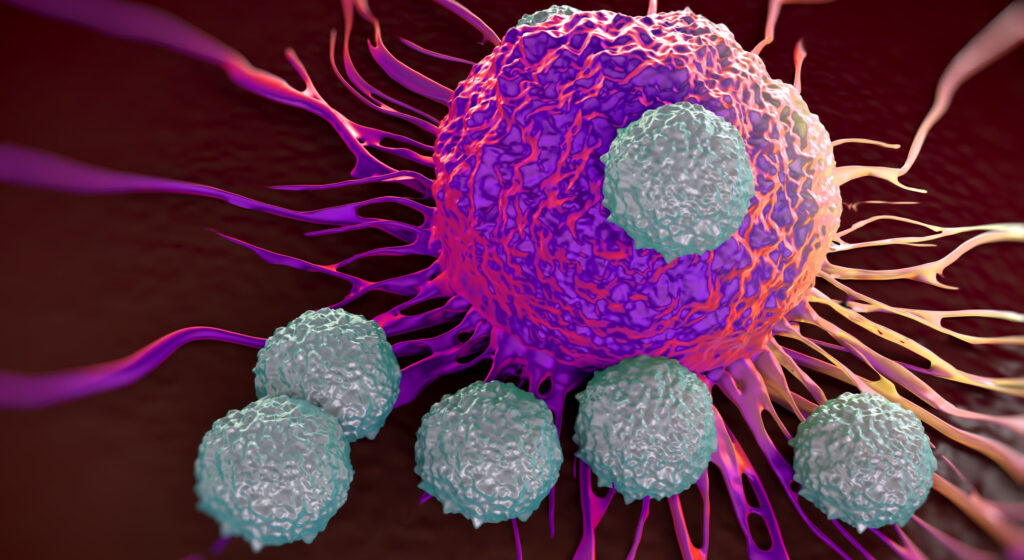
Now in its 13th year, Frontiers in Cancer Immunotherapy brings together leading researchers, clinicians, and industry innovators to explore the next generation of therapies that are transforming cancer treatment. The field of immuno-oncology has achieved remarkable breakthroughs over the past decade. Yet, many challenges remain—from understanding the biology of resistant tumor types to identifying novel therapeutic targets and strategies. This year’s symposium will showcase cutting-edge research and highlight promising approaches in areas such as cancer vaccines, bispecifics, modulation of the tumor microenvironment, AI-driven discovery of immunotherapy, and cell-based therapies for solid tumors.
In addition to keynote lectures and plenary talks, the program features industry updates, short talks selected from abstracts, and a panel discussion on moving discoveries from the bench to the clinic. Ample networking opportunities will give participants the chance to connect with peers, collaborators, and leaders shaping the future of cancer immunotherapy.
Join us in New York City to share knowledge, foster new collaborations, and be part of the conversation driving the next breakthroughs in cancer treatment.
To attend, click the “Register” button at the time of the presentation. It will take you directly to the Zoom call.
Welcome and Introductions: 11:30 AM to 11:45 AM
Main Presentation: 11:45 AM to 2:30 PM
Mental health conditions such as bipolar disorder, depression, attention deficit and hyperactivity disorder (ADHD), and post-traumatic stress disorder (PTSD), are difficult to diagnose and treat. Symptoms overlap across these categories, mood data is hard to capture reliably, and treatments often involve trial and error with significant side effects. While diagnostic frameworks such as the DSM-5 provide a shared language for clinicians and insurers, they offer limited insight into the underlying causes of psychiatric illness or personalized strategies for intervention. To advance, psychiatry needs more precise measures of nervous system function and better ways to integrate neurobiological data with patients’ lived experience and bio-psycho-social history. The integration of multiple levels of description is essential for distinguishing root causes and identifying effective points of intervention. Marjorie Xie will describe how the field of computational psychiatry is beginning to close this descriptive gap by leveraging behavioral tasks, behavioral and physiological data, and computational models. She will conclude with an example from my current research on the science of mood in relation to attention.
Speaker
Marjorie Xie is a neuroscientist whose research bridges the brain, AI, and mental health. Her upcoming work is guided by two goals: (1) to advance mental health care by empowering clinicians and patients with scientifically grounded, clinically actionable tools, and (2) to accelerate the discovery of new treatments. From 2023–2025, she was an AI & Society Postdoctoral Fellow at Arizona State University and the New York Academy of Sciences, conducting research at the Center for Computational Psychiatry at Mount Sinai (Radulescu and Gu Labs) on the relationship between mood and attention. She previously interned at the Basis Research Institute, developing AI tools for studying collaborative intelligence in animals. Marjorie earned her PhD in Neurobiology and Behavior at Columbia University (Litwin-Kumar Lab), where she developed a computational theory of the cerebellum, a brain region involved in motor control and sensory processing. Earlier, she studied sensory processing and communication in fruit flies at Stanford (Clandinin Lab) and Princeton (Murthy Lab). She received her BA from Princeton, designing an independent major in neuroscience with additional studies in philosophy, literature, and history.
The New York Academy of Sciences is proud to present The New Wave of AI in Healthcare 2026.
Artificial intelligence and digital technologies are transforming healthcare at an unprecedented pace—reshaping how we diagnose, treat, and deliver care. From advanced machine learning applications to real-world evidence and patient-facing digital tools, innovation is accelerating rapidly, bringing both extraordinary promise and complex challenges for clinicians, researchers, and regulators.
To spotlight these breakthroughs, the Windreich Department of Artificial Intelligence and Human Health at the Icahn School of Medicine at Mount Sinai and The New York Academy of Sciences will host a two-day, in-person symposium in New York City The New Wave of AI in Healthcare.
This premier event will convene leading scientists, clinicians, industry innovators, and policy experts at the intersection of computer science and medicine to share cutting-edge research, explore pressing ethical and regulatory considerations, and build collaborations that shape the future of healthcare. The symposium will not only showcase the latest scientific advances but also foster interdisciplinary dialogue and networking to ensure that AI-driven healthcare innovations are equitable, ethical, and impactful.
Does artificial intelligence represent a fundamentally different kind of technological revolution—one that could reshape not only industries but also the structure of global markets? In past waves of innovation, from social media to e-commerce, technological booms spurred widespread entrepreneurship. Startups flourished, and many evolved into dominant firms, but they emerged from a competitive landscape where new entrants had room to grow. Artificial intelligence may chart a different path. Some analysts argue that AI’s steep economies of scale, vast computational requirements, and the adaptability of its systems could concentrate power in the hands of a few organizations—more akin to the era of mainframe computing in the 1960s, when one firm largely defined the field.
This roundtable discussion will explore:
Concentration vs. Competition: Are the capital demands, data needs, and infrastructure requirements of AI inherently driving the market toward centralization?
Investment Implications: How should private equity investors assess opportunities in an environment where scale advantages may limit smaller entrants?
Policy and Ethical Dimensions: What responsibilities do investors and innovators hold in shaping an AI ecosystem that fosters innovation without amplifying systemic risks of monopoly power?
Lessons from History: What parallels can be drawn between AI today and previous technology cycles, and what can we learn to anticipate future market dynamics?
Series Moderator
Josh Lerner
The Jacob H. Schiff Professor, Harvard Business School; Director, Private Capital Research Institute
Panelists
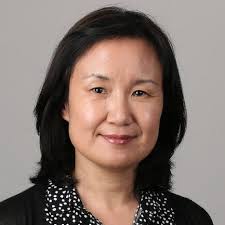
Dr. Jianying Hu
Director of Healthcare and Life Sciences Research, IBM
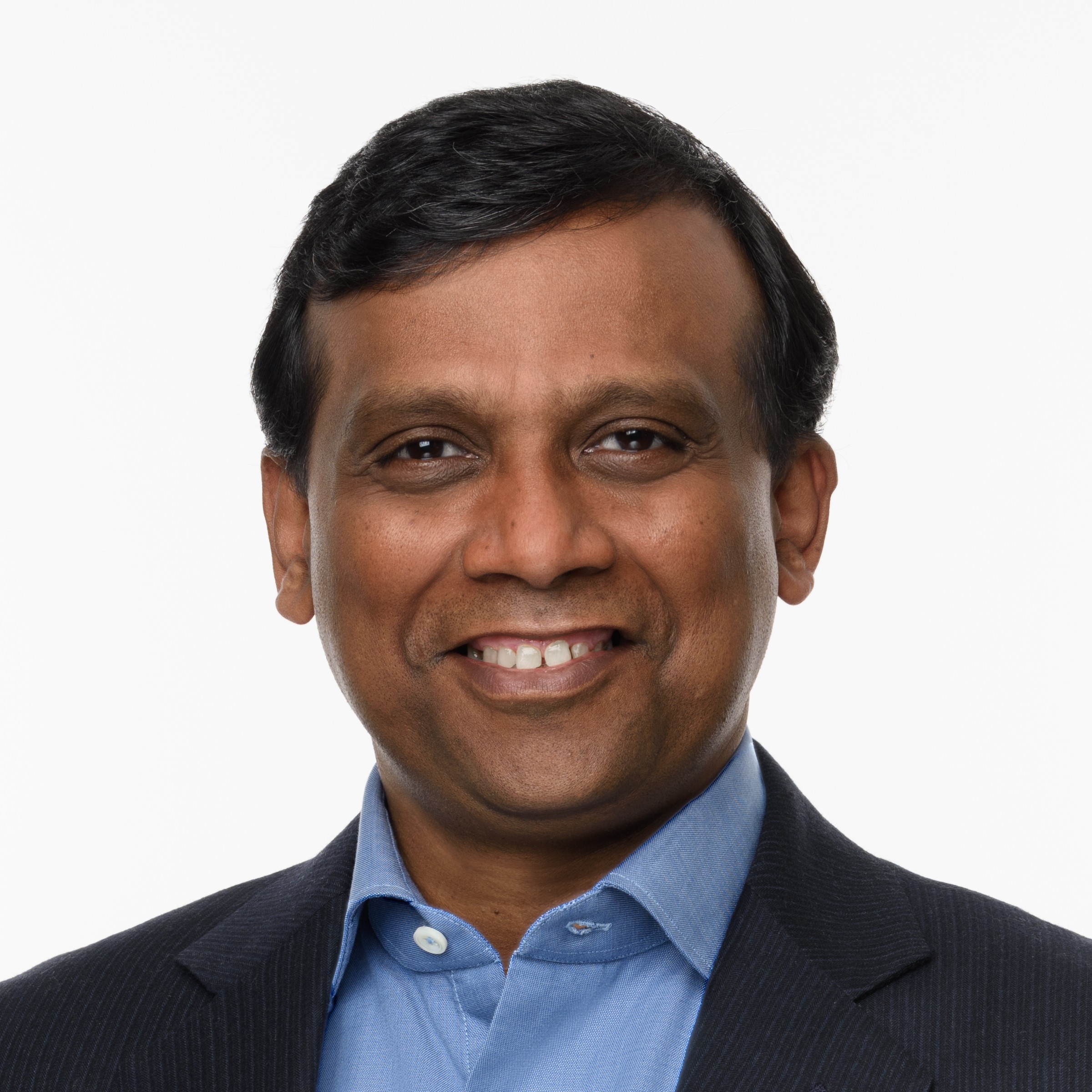
Ravi Kumar
CEO, Cognizant
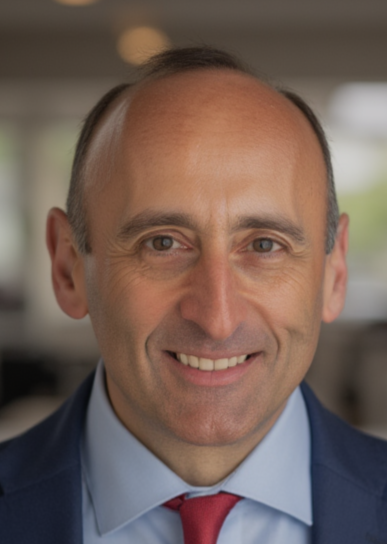
Daniel Feder, CFA
Senior Managing Director of Investments at University of Michigan
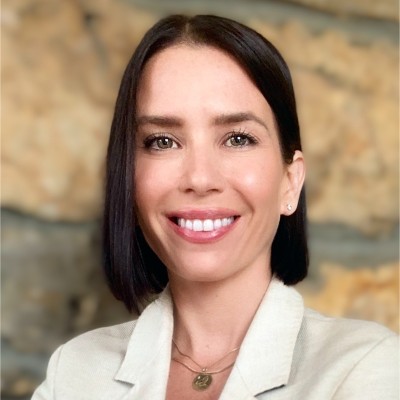
Maya Frutiger
Minnow Venture Partners
Sponsors
Series Sponsor
Presented By
Pricing
All: Free
About the Series
The “Private Capital and Discovery: Strategic Investing in Scientific Innovation” series is brought to you by The New York Academy of Sciences and The Private Capital Research Institute. Through expert panels and thought-provoking discussions, the series examines how private equity is uniquely positioned to drive transformative advancements—while also exploring the ethical and strategic dilemmas that can arise when financial incentives influence the trajectory of science. Learn more about the series.
Winner of the Junior Academy Challenge – Fall 2024 “Ethical AI”
Published May 16, 2025
By Nicole Pope
Sponsored by The New York Academy of Sciences
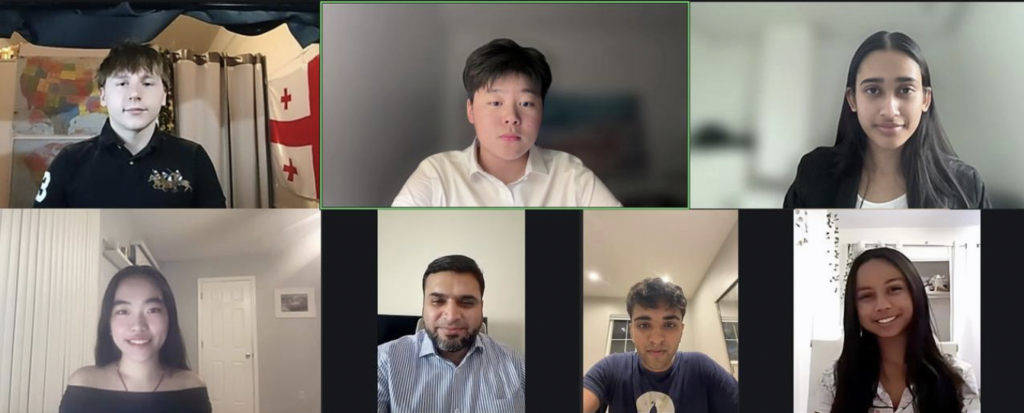
Team members: Emma L. (Team Lead) (New Jersey, United States), Shubh J. (California, United States), Darren C. (New York, United States), Aradhana S. (Pennsylvania, United States), Shreshtha B. (Kuwait), Jemali D. (New York, United States)
Mentor: Abdul Rauf (Pakistan)
Artificial Intelligence (AI) is evermore present in our lives and affects decision-making in government agencies, corporations, and small businesses. While the technology brings numerous opportunities to enhance productivity and pushes the boundaries of research, predictive AI models have been trained on data sets that contain historical data. As a result, they risk perpetuating and amplifying bias, putting groups who have traditionally been marginalized and underrepresented at a disadvantage.
Taking up the challenge of making AI more ethical and preventing the technology from harming vulnerable and underrepresented groups, this winning United States and Kuwait based team sought ways to identify and correct the inherent bias contained in large language models (LLM). “[The Ethical AI Innovation Challenge] helped me realize the true impact of bias in our society today, especially as predictive AI devices continue to expand their usage and importance,” acknowledged team lead Emma, from New Jersey. “As we transition into a future of increased AI utilization, it becomes all the more important that the AI being used is ethical and doesn’t place anyone at an unjustified disadvantage.”
The team conducted a thorough literature review and interviewed AI experts before devising their solution. In the course of their research, they came across real-life examples of the adverse effects of AI bias, such as an AI healthcare tool that recommended further treatment for white patients, but not for patients of color with the same ailments; a hiring model that contained gender bias, limiting opportunities for women; and a tool used to predict recidivism that incorrectly classified Black defendants as “high-risk” at nearly twice the rate it did for white defendants.
AI Bias
Team member Shreshthafrom Kuwait said she was aware of AI bias but “through each article I read, each interview I conducted, and each conversation I had with my teammates, my eyes opened to the topic further. This made me even keener on trying to find a solution to the issue.” She added that as the only team member who was based outside of the USA, “I ended up learning a lot from my teammates and their style of approaching a problem. We all may have had the same endpoint but we all had different routes in achieving our goal.”
The students came together regularly across time zones for intense working sessions to come up with a workable solution, with support from their mentor. “While working on this, I learned that my team shared one quality in common – that we are all committed to making a change,” explained teammate Shubh. “We had all unique skills, be it management, coding, design, etc., but we collaborated to form a sustainable solution that can be used by all.” In the end, the team decided to develop a customizable add-on tool that can be embedded in Google Sheets, a commonly used spreadsheet application.
The students wanted their tool, developed with Python programming, to provide cutting-edge bias detection while also being user friendly. “A key takeaway for me was realizing that addressing AI bias requires a balanced approach that combines technical fixes with ethical considerations—augmenting datasets while engaging directly with underrepresented groups,” stated New York-based teammate Darren, who initially researched and produced a survey while his teammates worked on an algorithm that could identify potential bias within a dataset.
More Ethical AI
The resulting add-on, which can be modified to fit any set of training data, utilizes complex statistical analysis to detect if AI training data is likely to be biased. The challenge participants also paired the add-on with an iOS app they created in UI/UX language and Swift, which gives users suggestions on how to customize the add-on for their specific data sets. The students were able to test their tool on a job applicant dataset provided by a company that chose to remain anonymous.
“By using an actual dataset from a company and analyzing it through our add-on, I was shocked to see that there could be gender bias if an AI model were trained on that dataset,” said team member Aradhana. “This experience highlighted how AI can continue societal discrimination against women.” The enterprising team members were able to refine and improve their solution further after conducting a survey and receiving feedback from 85 individuals from diverse backgrounds.
Members of the winning team believe addressing AI bias is critical to mitigate the risk of adverse impacts and build trust in the technology. They hope their solution will spearhead efforts to address bias on a larger scale and promote future, more ethical AI. Summing up, team member Jemali explained that the project “significantly deepened my insights into the implications of AI bias and the pivotal role that we, as innovators, play in ensuring technology benefits all individuals.”
In the final installment of this year’s distinguished lecture series hosted by The New York Academy of Sciences’ Anthropology Section, an expert panel discussed the intersection of anthropology, technology, and ethics.
Published May 2, 2025
By Brooke Elliott
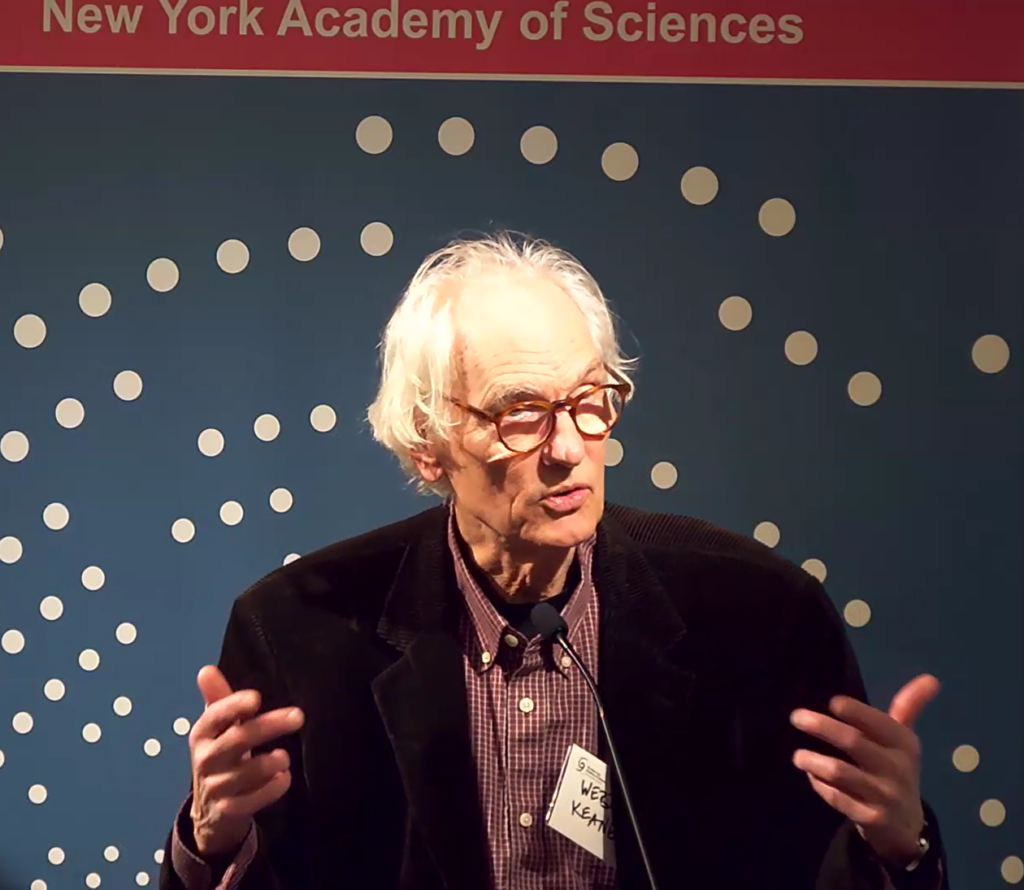
Webb Keane, PhD, presents during the From Tools to Metahumans: Talking to AI event at The New York Academy of Sciences on April 7, 2025.
Keynote speaker Webb Keane, PhD, the George Herbert Mead Distinguished Professor of Anthropology at the University of Michigan and a leading voice in semiotics, media, and ethics, centered his April 7th talk around his new book Animals, Robots, Gods: Adventures in the Moral Imagination. The book moves beyond human communities and explores the relational ethics that arise from human interaction with non-humans and near-humans, including artificial intelligence.
Prof. Keane opened his presentation by posing the provocative question: What defines a human?
Traditionally, it has been humankind’s capacity for language, tool-making abilities, and moral reasoning. But with the rise of generative AI and large language models, all three are under pressure, according to Prof. Keane.
AI as a Metahuman
Generative AI now challenges humankind’s unique position as language users, introducing tools that seem to “escape the grasp” of their creators. These AI systems don’t merely reproduce human intelligence, they imitate its outputs.
Prof. Keane defines a “metahuman” as “someone or something with superior powers, but lacking a body or particular social location.” These are beings that humans have always interacted with, such as gods, spirits, and, now, robots and androids. These entities possess knowledge, power, and moral authority beyond the human.
Religious communities have taken to AI in surprisingly enthusiastic ways, Prof. Keane pointed out. Tools like Gita GPT, designed to simulate answers from Krishna, a major deity in Hinduism, are used for moral and spiritual guidance. AI’s “oracular affordances,” as Prof. Keane called them, allow it to function like ancient divinatory tools; they can elicit meaning, trust, and belief.
“AI reflects our fears because it is built from our language, our stories, our digital footprints,” said Prof. Keane.
The meanings we get from interactions with AI are the product of collaboration between the person and the device, just as divination, spiritual possession, and speaking in tongues once captivated our imaginations.
Omri Elisha’s Response
Responding to Prof. Keane, Omri Elisha, PhD, associate professor of anthropology at Queens College and the City University of New York Graduate Center, drew parallels with his own work on astrology. Prof. Elisha emphasized that technologies like AI and astrology translate abstract forces into moral guidance. Through symbolic systems, users interact with planetary or digital forces as if they have agency.
Prof. Elisha posed the critical question: “How is it that certain technologies and certain symbiotic mediations come to be authorized to speak for transcendental sources infinitely far from the here and now?”
He also addressed society’s growing reliance on crowdsourced truth. Platforms like Google and Reddit are worshipped for their convenience, immediacy, and trust, even by those who claim to be skeptical. Generations raised on the internet have come to accept the “wisdom of large numbers,” as Prof. Keane calls it
To further support this point, Prof. Elisha cited the viral meme, “A world where AI paints and writes poems while humans perform menial, backbreaking work wasn’t the future I imagined.”
In an age of corporate personhood and surveillance capitalism, many allow branded algorithms to make decisions once left to human discretion, including immigration status, medical diagnoses, and even music recommendations. As Prof. Keane notes, “We should be scrupulous about the would-be gods who lurk behind our devices.”
Danilyn Rutherford’s Call for a Global Perspective
Danilyn Rutherford, PhD, President of the Winter Grant Foundation and activist with A Thousand Currents, praised Prof. Keane’s commitment to ethical nuance. Still, she challenged the limits of cultural relativism. While different societies may live by different moral codes, Dr. Rutherford argued that there’s a deeper universality in our capacity for meaning-making, even across radically different contexts.
“The point, [Keane] argues, is not simply that different ponds nurture different frogs, they nurture different relationships among critters swimming in the same puddle,” said Dr. Rutherford.
Fear, Faith, and the Future of Human Meaning
All three speakers converged on a core insight: that our interactions with AI tell us more about ourselves than they do about the technology. Humans are beings who construct meaning collaboratively, introducing non-humans with agency, because of our innate ability to see intentions in others.
As Prof. Keane emphasized, the real question is not whether AI is sentient, but why we respond to it as if it were. He questioned what does that reveal about our values, our anxieties, and our longing for guidance as we continue toward an era with even greater interaction between humans and AI.
As the 2024–25 lecture series concludes, the Anthropology Section is already looking to the future. A graduate student gathering at the Margaret Mead Film Festival, which takes place May 2-4 at the American Museum of Natural History, will provide a final chance to connect this spring. This fall, the Anthropology Section will return with a new theme and speaker lineup, as well as a continued commitment to bridging anthropological insight and public dialogue.
Learn more about offerings from The New York Academy of Sciences’ Anthropology Section.