Join The New York Academy of Sciences for an afternoon of virtual networking designed to spark meaningful conversations, foster professional connections, and deepen your knowledge across dynamic fields. Participants will have the opportunity to engage in themed breakout rooms, each guided by a domain expert, who will lead the discussion and encourage cross-disciplinary exchange.
The themed networking rooms are:
AI and Data Science
Dive into conversations about the applications of AI technology and emerging trends in the growing field.
Biotech and Entrepreneurship
Connect with innovators, founders, and biotech enthusiasts. Explore pathways from research to startup, funding strategies, and biotech product development.
Engineering and Robotics
Discuss mechanical, electrical, and software engineering topics—from automation and robotic systems to design challenges and career pathways in engineering fields.
Science Communication and Community Outreach
Share strategies for effectively fostering dialogue around scientific concepts with various audiences to support building trust in science.
Life Sciences and Research
Engage in conversations about building a career in scientific research, within and beyond academia.
All participants will return as a group at the end of the program to share insights, highlights, and key takeaways.
The strategic applications of scientific knowledge are indispensable for the discovery and development of meaningful solutions to society’s challenges. Given the current funding environment around STEM and waning public trust in science, scientists have an increasingly critical role to play in transforming how the next generation understands, engages with, and trusts science.
This interactive workshop will provide the fundamentals for exposing scientists to youth-centered science communication. Through discourse and a hands-on activity, participants will explore practical ways scientists can activate their research and engage with K-12 students inside and outside of the classroom. By the end of the program, participants will gain a better understanding of how to communicate scientific concepts and their research to K-12 audiences through developing activities that are meaningful and approachable, ultimately helping foster public engagement with science and with scientists.
This training will be held in-person at the Academy’s space on 115 Broadway, 8th Floor, New York, NY 10006. Space is limited. Attendees are encouraged to register early.
Speakers
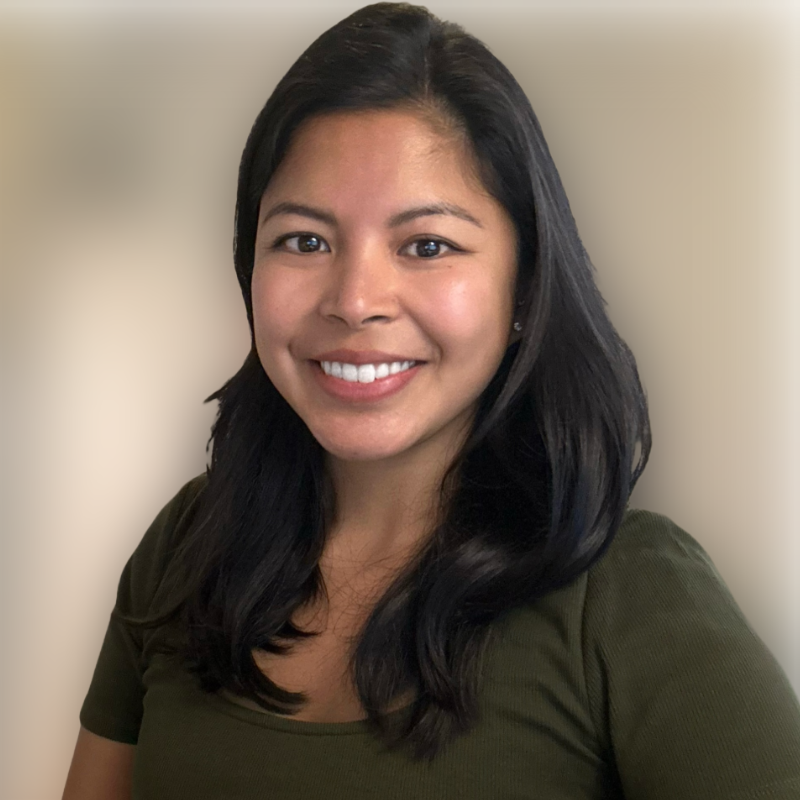
Adrienne Umali
Associate Director, Education, The New York Academy of Sciences
Adrienne Umali is Associate Director of Education at The New York Academy of Sciences, where she leads K–12 enrichment programs designed to spark curiosity and inspire a lifelong love of science through mentorship and hands-on learning. She is passionate about making STEM accessible and engaging for all students, and brings experience as both a neurobiology researcher and a middle/high school science teacher in the Bronx. Adrienne holds a BS in Psychology from Brown University, a Master’s in Biomedical Science from the Icahn School of Medicine at Mount Sinai, and a Master’s in Education from CUNY Lehman College.
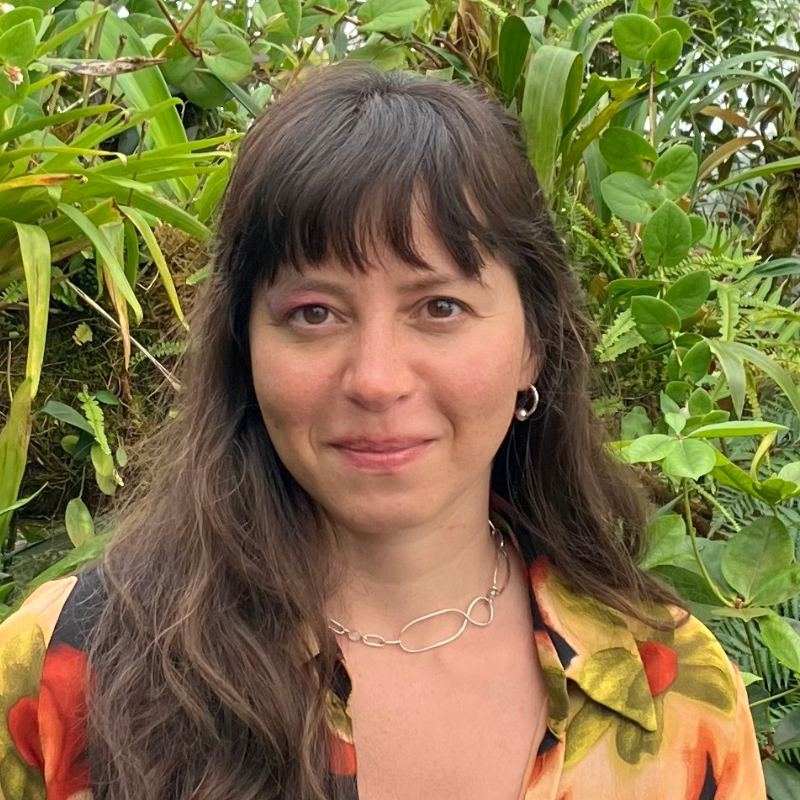
Danielle Mink-Bellizzi
Program Manager, Education, The New York Academy of Sciences
Danielle Mink-Bellizzi is a Program Manager on the Education team at The New York Academy of Sciences, where she leads STEM mentorship programs that connect scientists with K–12 students through hands-on, inquiry-driven learning. Driven by a commitment to expanding access to meaningful STEM experiences, she oversees the Afterschool STEM Mentoring Program and Family Science Nights, fostering inclusive partnerships across NYC. Before joining the Academy, Danielle spent over a decade in informal education across museums and schools, developing art and science programming. She also brings experience in geospatial technologies and remote sensing, having led teacher workshops and served as a STEM specialist with the KIPP Charter network. She holds a BA with the School of the Art Institute of Chicago and a BS in Coastal Environmental Studies from Stony Brook University.
Zamara Choudhary
Program Manager, Education, The New York Academy of Sciences
Zamara Choudhary oversees a portfolio of professional learning programming at The New York Academy of Sciences designed to accelerate career advancement for scientists, students, STEM professionals, educators, and adult learners. She leads the Leon Levy Scholarship in Neuroscience’s Mentorship Program, the Academy’s Internship Program, and alumni engagement for the Stevens Initiative. Passionate about democratizing knowledge across disciplines and continents, Zamara spent a decade in cultural institutions building expertise in international program design and management, teaching, fundraising, research, and public engagement. She holds a Master’s in Arts Administration from Columbia University and a Bachelor’s in History, English, and Arabic Studies from the CUNY Macaulay Honors College at Hunter College.
Navigating the job market as a postdoc can be challenging given the many options (academia, government, industry, and non-profits) and unwritten rules for success. This workshop provides practical and evidence-based strategies to help postdocs navigate the job search process across diverse sectors and prepare compelling applications. Participants will learn how to effectively search for and analyze job ads, how to apply effective storytelling to tailor applications, approach interviews, and highlight relevant achievements for different career paths. By the end of the workshop, participants will leave with actionable tools and greater confidence in navigating the STEM job market.
Speaker
Sonali Majumdar, PhD
Assistant Dean for Professional Development, Princeton University
Sonali Majumdar, PhD is Assistant Dean for professional development in the Graduate School of Princeton University and founder of the Graduate Career Consortium’s International Community of Practice. A scientist by training, she builds innovative professional development programs and partnerships to help empower PhDs to solve complex socio-technical problems through dynamic careers. She developed two innovative and field-leading PhD-level professional development programs, PhD Plus at University of Virginia and GradFUTURES at Princeton University. Her book, Thriving as an International Scientist, is the first career guide specifically tailored to the unique needs of international STEM PhDs.
In partnership with the NYC Department of Youth and Community Development, the Academy recruits STEM professionals to act as mentors in the Afterschool STEM Mentoring Program (ASMP). ASMP mentors are then placed at one of our many afterschool sites around New York City.
The Education, Art & Culture: School/University category encompasses student-led initiatives or programs created at a high school, secondary school, elementary school, specialty school, technical school, college, university, or other school.
“While we continue to navigate social and political challenges and disruptions, the winners of the 5th annual Anthem Award are a reminder that when we are united in collective action, great change can happen and truly make an impact for the better,” said Patricia McLoughlin, Anthem Awards General Manager. “Join me in congratulating all the Anthem Awards winners for their continued leadership, commitment, and contributions in supporting everyday humans, and for moving society forward.”
About the Afterschool STEM Mentoring Program
The Afterschool STEM Mentoring Program deploys scientists into community based organizations and public libraries throughout NYC, with the goal of fostering a love of STEM in students grades K-8. These scientist volunteers are trained to serve as instructors, mentors, and role models, and are provided with a 10 week STEM curriculum to implement in the classroom. Through units varying from engineering to biology, students experience first-hand the joy of hands-on learning and exploration.
Through the Afterschool STEM Mentoring program, the Academy aims to increase access to high quality STEM instruction, create opportunities for students to build a STEM identity through access to diverse mentors, and provide students with authentic and meaningful STEM experiences.
ASMP has placed over 1,700 scientists into afterschool classes around NYC. Through hands-on activities, mentorship, and engaging discussions, students gain a deeper appreciation for the scientific process, its relevance to their everyday lives, and the diverse roles scientists play in society.
About The Anthem Awards
Launched in 2021 by The Webby Awards, The Anthem Awards honors the purpose & mission-driven work of people, companies and organizations worldwide. By amplifying the voices that spark global change, we’re defining a new benchmark for impactful work that inspires others to take action in their own communities. The Anthem Awards honors work across seven core causes: Diversity, Equity, Inclusion & Belonging; Education, Art & Culture; Health; Human & Civil Rights; Humanitarian Action & Services; Responsible Technology; and Sustainability, Environment & Climate.
This season’s sponsors and partners include AARP, Virgin Hotels NYC, The Bloom, The Social Innovation Summit, Sustainable Brands, NationSwell, and TheFutureParty. The Anthem Awards were founded in partnership with the Ad Council, Born This Way Foundation, Feeding America, Glaad, Mozilla, NAACP, NRDC, WWF, and XQ.
What separates good technologists from great leaders? A candid conversation on the human skills that drive innovation, collaboration, and success in tech.
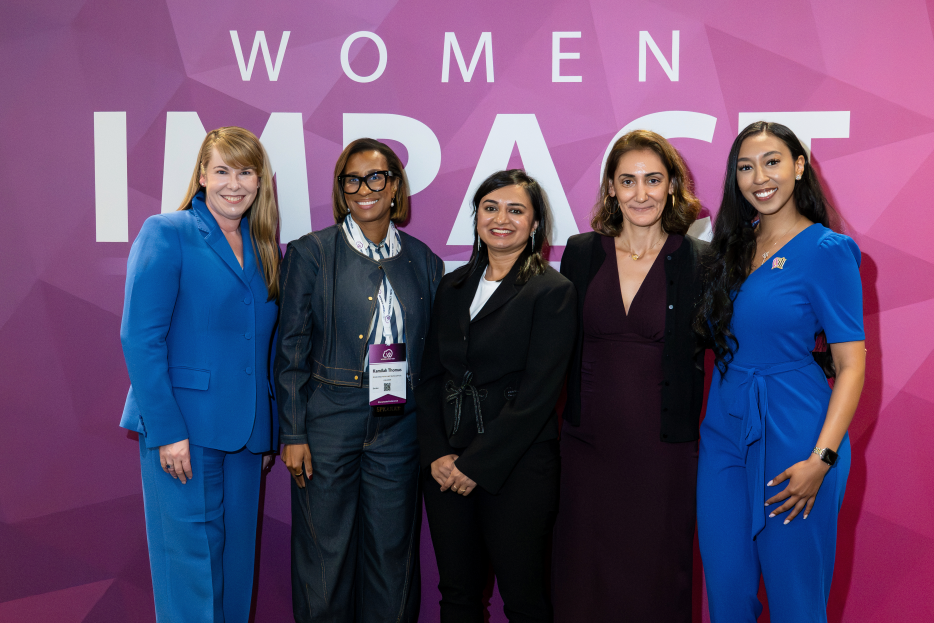
Panel moderator Brooke Grindlinger (The New York Academy of Sciences, left) with Kamilah Thomas, Jyoti Shah, Rafif Srour Daher, and Ashley M. Scott at the 2025 Women Impact Tech Accelerate Conference.
In a world where technology evolves faster than most of us can track, it is the deep human qualities of communication, empathy, adaptability, and curiosity that increasingly define success.
At the Women Impact Tech Accelerate Conference in New York City on September 18, 2025, I had the privilege of moderating a main-stage discussion titled “Beyond the Code: How Soft Skills Propel Success in Tech Roles.” Joining me were four remarkable leaders: Kamilah Thomas (Board Director and Chief People Officer, 5T HR Advisory), Jyoti Shah (Forbes Technology Council Member and Director of Application Development, ADP), Rafif Srour Daher (Executive Vice Dean and Vice Dean of Undergraduate Programs, School of Science & Technology, IE University), and Ashley M. Scott (Data & AI Implementation Lead, PepsiCo). Together, we explored what it really means to succeed in tech today and why the skills we once called “soft” are, in truth, the most powerful tools we have.
Rethinking “Soft Skills”
From the outset, we agreed that the language of “soft skills” sells short their impact. As Kamilah Thomas put it, “This notion of soft skills needs to be reframed. Soft skills [are] sometimes connected to gender. I want to remove that entirely and call them human power skills.” Her words resonated across the stage. These abilities are not nice-to-have, they are essential to everyone leading teams, shaping culture, and navigating change.
Communication and Adaptability
Communication and adaptability emerged as two of the most essential power skills, each rooted in the ability to listen, translate, and evolve with change.
“How well can you demystify something that someone may not have common knowledge about?” Ashley M. Scott asked. And can you share that same message across different stakeholders? Her point was simple: communication builds bridges. Thomas defined communication as a strategic act. “Strategic communication [is] the ability to translate complexity and chaos into clarity,” she said. Jyoti Shah carried that theme forward into industry: “When you combine adaptive communication, problem solving, and emotional intelligence with technical expertise, it brings real-world impact,” she said. “It builds trust and collaboration.”
Rafif Srour Daher echoed these views from her work in higher education. “As [students’ technical] skills sharpen, their ability to explain themselves becomes harder,” she observed. “It’s extremely important that [people in technology] learn adaptive communication: how to explain complexity in accessible terms.”
For Srour Daher, that adaptability began in the classroom and grew into leadership. “I teach math. [In my early teaching], ten minutes through a class I would look at my students and [know] I [had] just lost them,” she recalled with a laugh. “So I tell myself, if I can’t explain it to my six-year-old boy, it means that I don’t understand it. That helped me not only be a better professor, but also a better leader.”
She also reflected on the mindset needed to keep up with change. “Students always expect that if they’re going into a program, they will learn everything there is to know about a certain technology, and that’s really wrong,” she explained. “The pace at which technology changes makes it essential to be agile in your learning. It’s important to grasp the basic concepts, but even more important to use those concepts to keep learning as technologies evolve.”
Together, the panelists reminded us that clear communication is not just a professional asset, it’s the foundation of leadership. Their stories reveal a shared truth: communication is intentional. It’s the willingness to adjust message, pace, and approach to meet others where they are.
Influence Without Authority
As communication deepens understanding, influence turns it into action. The ability to inspire others—to guide without title and to motivate without mandate—is one of the most valuable skills in a fast-moving, decentralized world of work.
When I turned to the topic of influence, I posed a question that resonated with everyone in the room: “In this industry, you’re working in very cross-functional settings with different teams, with people who don’t necessarily report to you. What are some of the skills and strategies you’ve used to influence teams when you don’t have authority? What’s been key to getting buy-in, engagement, and collaboration?”
Scott was the first to weigh in. “You have the ability, specifically within AI and tech careers, to be the first to actually have a certain role,” she said. She described the ability to lead without authority as a defining marker of success, especially in emerging fields where no one has a rulebook yet. Her perspective opened a wider conversation. Shah added, “I handle a lot of projects with cross-functional, global teams [with] different locations, different cultures. One thing that’s important is to set the stage on what our goal is. It should be a shared goal, not a personal goal. Understand how we are navigating that path and give respect to each other’s functional authority.” When people see how their contributions fit into a shared outcome, alignment follows naturally.
While Shah emphasized alignment and shared purpose, Srour Daher highlighted trust as the foundation of influence, adding that true influence also requires letting go of control. “What I try to do is really focus on giving space for individuals to own their role and make independent decisions,” she said. “Many people, especially when they’re in new roles, they’re often afraid of making mistakes.” By providing unconditional support and creating an environment where it’s safe to fail, she explained, people gain confidence more quickly and grow into stronger contributors. Leadership today is less about command and more about connection through trust, transparency, and respect.
Presence and Confidence
Once influence is earned, presence sustains it.
When asked which power skill had the greatest impact on her career, Thomas didn’t hesitate: “Presence. Not your physical presence. The confidence you bring in the room with you and the expertise that you carry with you is critical. Oftentimes, as a woman in this space, and even the [HR] function that I bring, I’m usually the only one representing that perspective. So, my presence, my thought leadership, how I present that, and the confidence by which I deliver it is critically important. [That is] what allows me to be trusted in the rooms that I’m in.” I asked Thomas how to build that confidence early in one’s career. Her answer was as practical as it was empowering: “You do the work. You’re prepared. You have the capabilities. It’s owning and embodying that. That’s presence.”
Vulnerability and Growth
We’ve all stumbled while applying power skills in real time, so I asked the panel to share when they got it wrong. Thomas shared a moment of vulnerability that drew quiet empathy from the audience. “One of my big early failures was talking too much. This need to fill silent space with words and not listen for what’s unsaid,” she admitted. “Over time, I’ve learned to communicate by listening more. It allows me to garner more trust, inform better decisions, and to ask more clarifying powerful questions. More importantly, it allows others to be heard.”
Srour Daher reflected on a similar evolution. “My biggest mistake was assuming that power skills are innate. That you’re either born with them [or not],” she said. “I realized that you can learn [them].” She added that one of the hardest lessons has been learning how to navigate discomfort. “Early in my career and particularly when I started getting more leadership roles, I avoided difficult conversations,” she acknowledged. “I felt being a woman in technology, you’re not supposed to be vulnerable, you must put on a face of strength. I still avoid some of them, but I’m learning how to at least listen to others and that it’s okay sometimes to be vulnerable.”
Shah shared that her early misstep was “talking in technical language to leadership.” She realized that the C-suite doesn’t want code, they want clarity. “They want to understand the outcomes, not the technology. I‘m here to do the bridge-gapping, to become the translator between the technical team and leadership.”
Scott offered a lesson in patience and empathy. “Earlier in my career, I was listening [just] to respond,” she said. “[I thought I knew] exactly what [people] need without thinking about what questions can I ask after or who can I collaboratively work with. Over time, I realized that wasn’t the most successful way to go about solving problems.”
Thomas brought the conversation full circle, reframing vulnerability not as weakness but as wisdom earned through experience. “As you ascend and [lead] broader scopes of work, it’s okay to say, ‘I don’t know that, but I believe in my capacity to learn. Or I’ll leverage my team, and we’ll figure it out together,’” she said. She reminded the audience that the higher you rise, the more your human power skills become the true differentiator that drives lasting outcomes.
The panelists’ candor reminded us that mistakes are not setbacks but stepping stones shaped by reflection, correction, and the courage to keep learning out loud.
Curiosity and Courage
Looking ahead, I asked what skills they’re still strengthening and how curiosity continues to shape their growth.
For Scott, it’s deepening her ability to influence without authority while maintaining a human-centric approach: “Learning to connect more holistically with people, versus just focusing on the work itself.”
Shah is leaning into curiosity in the face of AI. “When AI came, [my team] got scared. Will it replace our jobs?” she recalled. She reminded them that AI is here to help with repetitive work and emphasized that there will always be a need for distinctly human skills like empathy, ethical reasoning, and sound judgment that no algorithm can replicate.
Thomas described giving herself permission to rediscover curiosity and play, particularly in the AI space: “If we unlock that level of play, we can reshape our roles and our households using AI in magical ways. I’m giving myself permission to play, and I would encourage all of you to do the same.”
Srour Daher offered a final reflection: “What I’m working on is deep listening. When someone walks in, [I remind myself] to be present. Even five minutes [of true listening] can make [people] feel that they’re heard.”
Together, their words framed curiosity not as a luxury, but as a discipline that keeps us agile, human, and open to what comes next.
Making Power Skills Count
We closed with a practical question: how do you make power skills visible?
Thomas emphasized that visibility begins with self-advocacy. Too often, people wait for others to recognize their contributions. Instead, she urged professionals to own their narrative. Show how empathy helped resolve conflict or how communication unlocked collaboration, because if you don’t tell the story of your impact, no one else will.
Shah added that during interviews or performance reviews, specificity matters. Professionals should highlight tangible examples of how their communication strengthened teamwork, solved problems, or advanced success.
Their message was clear: power skills aren’t personality traits or buzzwords; they’re measurable, demonstrable, and essential to leadership. When articulated with intention, they shape not only how others see you, but how far you can go.
Leading with Humanity
As the session closed, one truth remained: technology powers our tools, but humanity powers our progress. “Remember,” I told the audience as we closed, “your soft skills are your superpower.”
The 2026 Annual Symposium for the Leon Levy Scholarships in Neuroscience is the flagship event for this highly competitive program. Presented by The New York Academy of Sciences in partnership with the Leon Levy Foundation, this Symposium is open to esteemed members of the local neuroscience community by invitation only. Current Leon Levy scholars from the 2025 cohort will be introducing their research proposals, while scholars from the 2023 and 2024 cohorts will be presenting updates on their research. Attendees will have ample opportunity to network with scholars, mentors, PI’s, program alumni and other prominent New York City based neuroscientists.
The Leon Levy Scholarships in Neuroscience aim to promote groundbreaking neuroscience research in the five boroughs of New York City. The scholarships support the most innovative young researchers at a critical stage of their careers—their postdoctoral research—as they develop new ideas and directions to help establish them as independent neuroscientists. To learn more about the program or request an invitation, click here or contact us at leonlevy@nyas.org.
How does your health relate to your genes? What can (and what can’t) commercial ancestry testing tell you? How does law enforcement use DNA in criminal investigations? Join Personal Genetics Education and Dialogue (PGED) for an interactive workshop about genetics advances and their applications, including how to foster conversations about these topics in classrooms and community spaces.
Participants will learn about how genetics can intersect with personal and societal interests, including the use of genetic information in health, ancestry testing, and law enforcement. They will participate throughout the workshop, including in an online game, and will be encouraged to ask questions and share their perspectives with other attendees. Although this interactive workshop is geared towards educators and scientists interested in public engagement, anyone interested in genetics is welcome to attend.
Please note that the workshop is limited to live attendance and will not be recorded.
Sponsor
Personal Genetics Education and Dialogue (PGED) is a public engagement with science program based in the Department of Genetics at Harvard Medical School. For over eighteen years, they have raised awareness and inspired curiosity, reflection, and dialogue about genetics. They create resources and offer programs that explore the relevance and impact of genetics in people’s lives. By highlighting the “personal” in genetics, they strive to help people build knowledge and confidence to speak up, ask questions, and make informed decisions based on their needs and values.
Speaker
Rob O’Malley, PhD
Strategic Engagement Lead, Personal Genetics Education & Dialogue (PGED), Harvard Medical School
Rob is a biological anthropologist who shifted from a career studying wild chimpanzees to one focused on public engagement with science. Rob has expertise in evidence-based public engagement approaches, with a particular interest in how history, culture, and worldview (including faith and spirituality) inform peoples’ perspectives on genetics and related sciences. He helps to develop and facilitate workshops, co-creates and edits formal and informal education resources, and identifies and pursues grants and other funding opportunities to support PGED’s work. Rob is also the education committee co-chair for the American Association of Biological Anthropologists (AABA).
The transition from postdoc, student or fellow to Principal Investigator (PI) is an exciting career milestone that comes with new responsibilities, challenges, and opportunities. However, there can be a wide gap in the skills and knowledge needed to smoothly make this transition and excel as a PI.
This online webinar addresses topics that those transitioning to independence in academia should be aware of as they successfully advance to their next career stage. It is designed for postdocs, early-career faculty, and researchers aspiring to or preparing to lead their own labs or projects. Participants will gain practical insights into the multifaceted role of a PI—balancing scientific vision with leadership, mentorship, and administrative responsibilities.
Speaker
Jaime S. Rubin, PhD
Jaime S. Rubin, PhD is the Vice Chair for Investigator Development and Professor of Medical Sciences in the Department of Medicine at Columbia University. Her PhD thesis, published in the journal, Nature, described the first molecular identification and characterization of a human DNA repair gene. She has held a number of senior level positions at the Columbia University Irving Medical Center, including Acting Associate Dean for Graduate Affairs, having served as the founding Director of the Office of Graduate Affairs, and Acting Associate Vice President/Acting Associate Dean for Research Administration, having served as one of the founders of the Office of Research Administration. All of these positions have allowed for the teaching, mentoring, and career development of junior investigators, including: undergraduate, graduate, medical, public health, dental, and nursing students, residents, postdoctoral scientists, clinical fellows, and junior faculty.
Building a successful career in STEM as an international scientist presents exciting opportunities—and unique challenges. Nearly half of graduates in STEM PhD programs in the United States are international students who often face added obstacles when navigating universities, the job market, and more generally, life in the United States.
Join the Academy online on Tuesday, November 11 at 1:00 PM ET for an engaging workshop delving into strategies for building a STEM career within the United States as a foreign-born scientist. Topics that will be discussed include:
Short and long term career mapping for international scientists
Strategies for immigration pathways for STEM careers in the U.S. as well as exploring global careers
How an international scientist can leverage their background and the unique and valuable skills they bring to support their career goals
This virtual workshop is created and presented by Sonali Majumdar, PhD, Assistant Dean for Professional Development at the Graduate School of Princeton University and author of the book, Thriving as an International Scientist.
Speaker
Sonali Majumdar, PhD
Assistant Dean for Professional Development, Princeton University
Sonali Majumdar, PhD is Assistant Dean for professional development in the Graduate School of Princeton University and founder of the Graduate Career Consortium’s International Community of Practice. A scientist by training, she builds innovative professional development programs and multi-sector partnerships to help empower PhDs to solve complex socio-technical problems through dynamic careers. Since 2018, she has developed two innovative and field-leading PhD-level professional development programs, PhD Plus at University of Virginia and GradFUTURES at Princeton University. Her book, Thriving as an International Scientist, is the first career guide specifically tailored to the unique needs of international STEM PhDs.
Born and raised in India, she earned her PhD in Biochemistry and Molecular Biology at the University of Georgia and completed postdoctoral training at Memorial Sloan Kettering Cancer Center in New York, where she developed a passion for enhancing the training of early career scientists.
Join MECUSA and The New York Academy of Sciences for a dynamic evening aiming to connect young women researchers in New York with scientists pursuing careers outside academia. The event will showcase a wide range of professional trajectories, including entrepreneurship, science communication, health advertising, the pharmaceutical industry, and more.
The program will feature two interactive roundtable discussions designed to foster dialogue and active participation. Each roundtable’s speakers will share their unique career paths and engage directly with the audience, answering questions and offering personal insights that spark conversation and inspiration. Attendees will have the additional opportunity to connect with the panelists and each other during two networking sessions, one after each roundtable.
By engaging with professionals from a variety of fields, attendees will gain practical guidance for their personal and professional growth, and forge connections that can benefit them in the short, medium, and long term.
This event is organized and presented in partnership with the Women in Science Committee (MECUSA), which is dedicated to supporting and promoting the visibility of women in science. MECUSA is part of ECUSA (Spanish Scientists in the USA), an organization that supports the Spanish scientific community in the United States through professional development, scientific outreach, and community-building.
Sponsor
Agenda
6:00 – 6:45 PM
Panel A: Sharing the Science: Careers in Communication, Publishing and Strategy
Neus Rafel, Associate Medical Lead, Coefficient Health
Sandra Capellera Garcia, Science Research Writer, Department of Hematology, St. Jude Children’s Research Hospital
Victoria Aranda, Team Manager and Senior Editor, Nature
Yaihara Fortis Santiago, Associate Director, Postdoctoral Affairs and Trainee Initiatives, Memorial Sloan Kettering Cancer Center
Networking
7:15 – 8:00 PM
Panel B: Scientific Minds Leading in Business, Equity, and Innovation
Ana Céspedes, Chief Executive Officer, Vitamin Angels
Juana Fernandez Silva, Director, Cloud and AI Platform, Microsoft
Reception
Speakers
Victoria Aranda
Victoria Aranda is a Team Manager and Senior editor with Nature, where she handles research manuscripts on Clinical and Translational Medicine. She works in close relationship with the research community to ensure Nature continues to publish cutting-edge, high-quality clinical science and technology. She leads cross-journal projects with editors at other journals, and contributes to the development and innovation of editorial policies to best serve community stakeholders, including researchers, practitioners and patients. Victoria received her PhD from the University of Navarra in Spain, where she studied how alterations in epithelial polarity and tissue architecture contribute to liver disease.
Sandra Capellera Garcia
Dr. Sandra Capellera Garcia is a biomedical researcher specializing in scientific writing and communication, with extensive experience in academic and non-profit research environments across the United States and Europe. She currently works at St. Jude’s Children’s Research Hospital, where she helps investigators in the Department of Hematology craft high-quality scientific documents and leads scientific communication workshops for trainees. She obtained her PhD in Biomedicine and Stem Cell Biology at Lund University, Sweden.
Ana Céspedes
Ana Céspedes is a globally recognized leader in the health space, with nearly three decades of experience driving innovation, strategy, access and impact across the business consulting, pharmaceutical, biotechnology, and global health sectors. As Chief Executive Officer of Vitamin Angels, Ana is dedicated to advancing its mission of improving maternal and child nutrition worldwide. Ana holds a Doctorate in Pharmacy from the University Complutense of Madrid and advanced degrees and certifications from the London School of Economics, IESE, MIT, and GAP International. She is a founding member of Spanish Women Leaders in Life Sciences, a global network of female leaders committed to shaping the future of health sciences.
Juana Fernandez Silva
Juana Fernandez Silva is a seasoned global executive with over 25 years of experience in technology, focusing on strategic alliances, cloud computing, advanced data analytics, and Artificial Intelligence. Since joining Microsoft in 2010, she has spearheaded the development of business initiatives involving cutting-edge cloud solutions. Currently, she serves as the Global Director for Cloud and AI Platform solutions, based in New York City. Recognized among Spain’s Top 100 Women Leaders in 2023, Juana is also dedicated to mentoring emerging leaders in STEM. She holds an MSc in Telecommunications Engineering, an Executive MBA, and a PDD from IESE.
Yaihara Fortis Santiago
Yaihara Fortis Santiago holds a bachelor’s degree in Biology from the University of Puerto Rico at Río Piedras and a PhD in Neuroscience from Brandeis University. Upon graduating with her PhD, she joined the National Science Foundation as an AAAS Science and Technology Policy Fellow. In 2014, she joined The New York Academy of Sciences, where she created the first leadership program for STEM graduate students. In 2017, she joined Memorial Sloan Kettering Cancer Center (MSK) to lead the postdoctoral office. In 2025, she expanded her portfolio to oversee MSK’s scientific Pipeline Training Programs.
Carolina Ibañez Ventoso
Carolina Ibañez is currently the Associate Vice President of Equity Research and Biotechnology at Stifel Financial, an investment and financial services bank. Prior to her involvement in biotechnology, Carolina was the Equity Research Associate in Life Sciences and Diagnostics at Stifel, Citi, and Janney Montgomery Scott. Carolina completed an MBA at Rutgers University, a PhD in Molecular Biology and Genetics from the University of Glasgow, and a degree in biology from the Autonomous University of Barcelona. In the last year of her degree, Carolina won an Erasmus Scholarship from the University of Aberdeen in Scotland.
Neus Rafel
Neus Rafel is an Associate Medical Lead at Coefficient Health, an independent healthcare marketing and medical communications agency based in New York City. She holds a PhD in Genetics from the University of Barcelona and completed her postdoctoral research at Columbia University. Neus began her career in medical communications as a medical writer and has since contributed to the launch of multiple innovative therapies, particularly in the rare disease space. Her work sits at the intersection of science, strategy, and storytelling—translating complex data into meaningful, impactful communications.